
By R.D.
PART I
Peeling Back the Onion That Burns:
Beyond October: The National Coalition Against Domestic Violence organized a day of unity in October 1981, with purple serving as the official color.
Many partners will continue to abuse, and there will be more victims before and after October, making this global public health issue unresolvable.
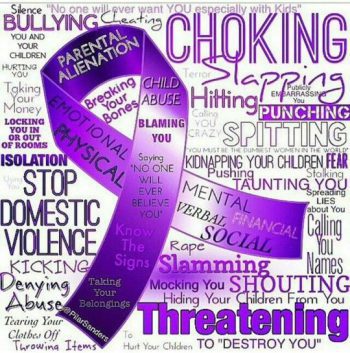
Simply put, domestic violence is more than just one fight. If something doesn’t feel right, it probably is. Domestic violence abuse, on the other hand, can take many forms, including physical, mental, social, and economic abuse.
Domestic violence does not discriminate based on gender or ethnicity.
Gender
Ethnicity
Age
Socio-Economic Status
Sexual Orientation
Regardless of the season, national origin is a significant factor.
Ok! Let’s make it simple: how famous you are or the number of followers on social media platforms.
Imagine yourself impoverished and deprived of resources due to abuse. Hold that thought!
Hold that thought!
Simply put, domestic violence is more than just one fight. If something doesn’t feel right, it probably is. Domestic violence abuse, on the other hand, can take many forms, including physical, mental, social, and economic abuse.
For several years, I have participated in a three-mile walk during the fall season. Members of the law enforcement community, advocates, treatment providers, and other support groups participate in this community event, which supports victims of domestic violence and raises awareness about this frequently unseen killer.
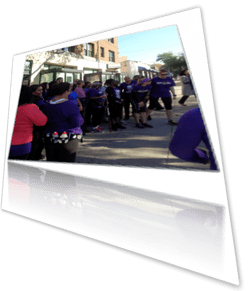
While taking the annual walk, I often reflect on the people living in poor and developing nations, along with numerous immigrant communities globally, who have limited resources and face the daunting fear of speaking out.
Domestic Violence’s Challenges, Revictimization, Blame Game, and Faces
Unfortunately, many victims do not come forward because they fear having to defend themselves in public, especially with today’s social media.
It is often difficult to leave these toxic relationships because of additional fear or economic reasons; children may be involved, especially when the perpetrators are powerful and well-respected members of the community. abuse.
Admitting to being a victim may require a delicate balance of power and status. Consequently, some individuals remain in the dark. One’s title or position does not restrict this type of behavior. Power and control are still used to abuse women and men.

Sadly, many victims stay in these relationships and sympathize with the perpetrator due to a lack of an exit plan or resources. Some victims began to blame themselves for the abuse they experienced.
Furthermore, when a victim comes forward in many poor and developing countries, the conversation about the case begins with an interrogation. As a result, obtaining appropriate intervention or medical assistance becomes difficult.
Even more problematic is some people’s re-victimization attitude, as if they deserved it.
“What did this person do to make the abuse happen?”
“Why didn’t she or he leave?”
Wherever the assault took place—in the home, a church, a school, or the community at large—what if they started asking the offender why?
Many victims, as well as those tasked with assisting them, often minimize the impact of cultural dynamics, particularly in areas with few or no laws and within male-dominated cultural systems.
Furthermore, they lack the necessary training as first responders to create a safe space for victims. This is why training is essential for reducing potential implicit bias.
Whether the victim experiences forced sexual activities, intimidation, stalking, social isolation, economic manipulation or deprivation, or blocked access to medical treatment, it is never their fault.
Who are the real victims and faces of domestic violence?
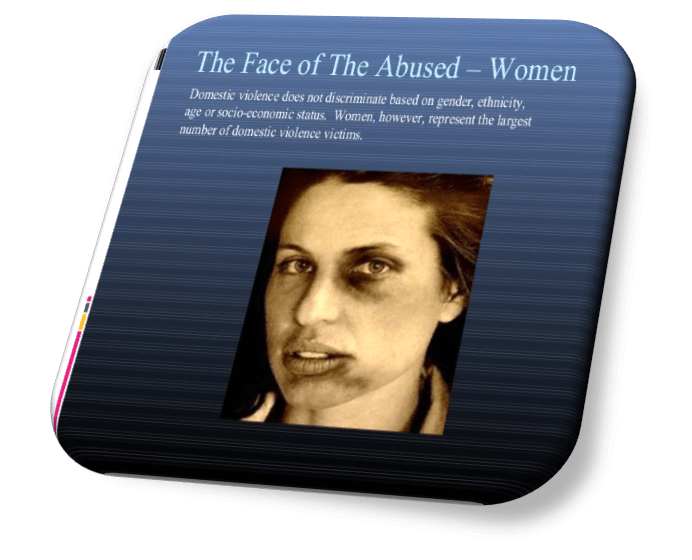
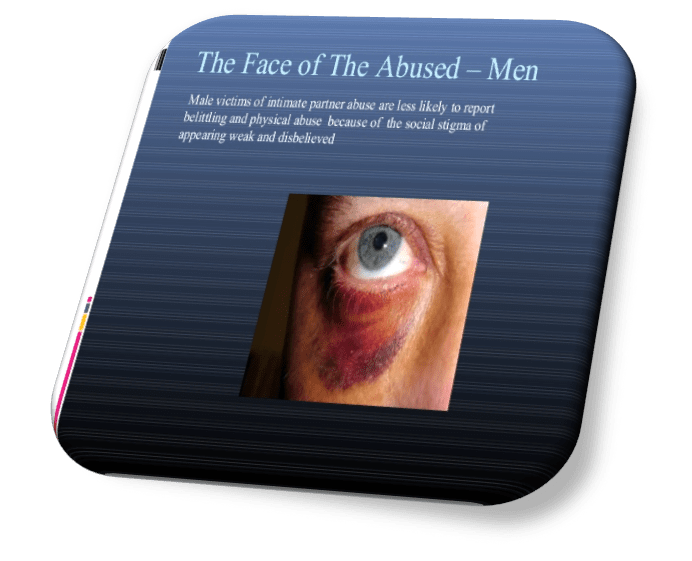
According to the National Coalition Against Domestic Violence, both men and women can be victims of this type of situation, but women are more often than not. Men abuse women in 70–80% of cases, often leading to their murder without intervention.
Domestic violence affects approximately 25 to 40% of men. However, due to the stigma associated with it, people often overlook this issue, along with the perception of weakness.
Additionally, according to UN figures, a partner or member of their family kills 137 women worldwide every day—a total of 50,000 women murdered annually by people they know and should be able to trust; a partner, ex-spouse, or dating partner kills one woman every 14 hours.
Beyond the Domestic Violence Data
Domestic violence encompasses more than just data; it also includes tangible aspects that are difficult to measure.
According to several academic international journals, domestic violence accounted for approximately 19% of the total burden of healthcare for women. Victims who lost days of work alone cost an estimated $5.1 to $6.8 billion, which equates to approximately 32,000 full-time jobs.
Domestic violence cases account for more than half of all police response calls, outnumbering robbery, motor vehicle theft, and burglary. Many studies have found that even after the violence has stopped, victims continue to use the healthcare system more than others.
Studies show that children who live in homes with domestic violence are more likely to experience abuse or neglect.
Young adults aged 18 to 30 are 2.41 times as likely to experience physical violence. Over three million children witness domestic brutality in their homes every year.
Domestic violence extends beyond the primary victim; it can result in child trafficking from a runaway child who fled a violent home. According to the UN, approximately 15 million young girls are victims worldwide each year.
PART II
Beyond the Makeup, shades, and even COVID-19 Mask.
Domestic violence abuse often goes unnoticed in many of these communities. While a beautiful sunglass may conceal the scars of a violent relationship, disguised as a day trip to the beach, a corner store, or church, joining me on this walk for awareness could have a positive and long-lasting impact.

Despite the breathtaking scenery, wide-open fields, beautiful shorelines, and white sand, not all victims, including perpetrators of domestic violence, recognize a safe place to go for help.
Domestic violence is still taboo and hidden in some of these communities that share our roots, culture, and heritage. Furthermore, consider the countless others who are being abused today in private due to a lack of support and outdated ideologies that persist alongside every instance of abuse captured on camera.
Although the COVID-19 pandemic has caused anxiety, fear, and frustration, experts have reported an increase in domestic violence cases involving unemployed individuals, some of whom are depressed or have other mental health issues, and where there are ongoing conflicts in these relationships.
The lingering shadow and struggle to break free from certain historical beliefs persist.

The challenges faced by some regions, the presence of wrongdoers with 16th-century mentalities, and cultural beliefs that view women as property and primarily as childbearers have all contributed to the cycle of violence.
Some men who hold deeply held beliefs may believe they have the right to control women and that women are not equal to men. Scholars have observed a link between colonialism and the dehumanization of Black females confined to the kitchen, highlighting the tragic period of slavery.
Even though the tragic colonial past continues to cause psychological suffering in many people, we must refute the idea that this dark period is solely to blame for the mistreatment of some women.
As noted earlier, many victims remain silent out of fear of losing their financial support, economic status, racial tolerance, and social standing while they navigate the cultural and legal complexities that lead to further isolation.
Despite increased rights and a growing shift toward gender equity, equality, and even upward mobility into leadership positions for women, this does not always result in increased awareness.

Is it time for a new treatment program?
Fortunately, this October has provided another opportunity to look deeper beyond gender stereotypes, masculinity, and sexuality, all of which can obstruct self-observation.
Experts also noted that, despite the efforts of a few groups, classes tend to remain in the shadows. They are understaffed and often close abruptly, and offenders frequently require the cooperation of law enforcement to ensure that they attend treatment programs.
When treatment programs are available, dropout rates remain high, and victims will use cultural reasons to justify their absence. According to experts, the lack of resources suffocated by poverty can make it difficult to connect families or victims to programs in many Latin American, African, and Caribbean communities, as well as other poor and developing areas.
Domestic violence creates a pattern of psychological barriers that make it difficult to get over traumatic events. These barriers can have long-lasting effects that go beyond the physical scars.

Because a victim may not have a visible scar, the non-intervention mentality must end. Many studies have found that even after the violence has stopped, victims continue to use the healthcare system more than others.
Whether in Barbados, Boston, or the United Kingdom, or as a gay person living under a bridge in the Caribbean, being victimized should make no difference. It hurts everywhere, and everyone must work together to develop solutions to this problem, including victims, advocates, providers, law enforcement, and even previous offenders.
Is your community doing enough to bring this issue to light, or should political leaders wear victims of domestic violence on campaign buttons?
Part III
Aside from the light, camera, and dance:
During COVID-19, many of us had a chance to reflect as society rebalanced. However, domestic violence has not taken a break but will still be under the mask going forward, as many community summer events will continue to burst forth like a vibrant canvas, splashed with cultural colors for celebrations.

Yes, there will be dancing to the latest Soca, Rhythm and Blues, Jazz, Reggae, and Latin rhythms, African Beats, or any other cultural events around the globe. However, beneath the layers of dazzling costumes and the harmonious pulse of one-love vibes, there lies a heart aching like a flower crushed underfoot, suffering from the irrational decisions of those who perpetrate violence.
Many communities were able to reduce stigma through awareness and accountability, even as medical advances made the HIV/AIDS epidemic a more manageable disease.
We must move away from minimalism, acknowledge and create a safer space for victims, and hold abusers accountable for their actions.
No one is immune from violence:
As studies have shown, violence and death within the LGBTQ community have increased since 2010 and continue today due to ignorance and taboo, even by straight offenders who may struggle with homosexual tendencies.
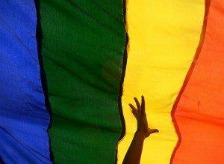
Today, our society is becoming more accepting, with advocates promoting equality, but it has been a long and winding road. Some social, religious, and political groups continue to regard lesbian, gay, bisexual, and transgender relationships as sinful and morally repugnant.
It is more difficult for a victim in these communities to seek and receive help in an abusive relationship because of their identity.
No, you don’t have to be a member of the LGBTQ community or a victim to support these organizations.
Once again, it’s clear that as a society, we need to shift our focus. We can’t just rely on famous individuals, who some of us consider role models, to dictate our opinions on weather, sports, and the arts.
When celebrities are caught on camera committing domestic violence, far too many individuals, particularly those in that circular orbit, exploit their troubles to engage in what I refer to as selective outrage.
While no one can tell you how to feel or mourn a victim, we can use our anger, outrage, or disappointment to examine the larger issue.
It’s all too easy to get caught up in the social media frenzy, gaining likes and followers while ignoring the other victims in underserved communities who lack a voice or resources and are often not believed when they come forward.
What’s next is Up to You!
Making people aware of the need to change course begins with you and your community. Please consider usinge consider using your platform because, while we appear to be closer than ever in terms of social media awareness, we appear to be further apart in terms of helping each other. Keep yourself safe!
The next time you walk, run, or even stand under a banner for victims’ rights, I hope you will consider how many stories go untold and how many are unable to receive a like on social media due to a lack of resources and awareness.


 © `OURSHORES- BLUE SCHOLARSHIP FUND & CHARITY ORGANIZATION`- Tel 1888-982-9938