By R.D. Miller
Her Story/Their Stories
Who will be next? Gone Too Soon?
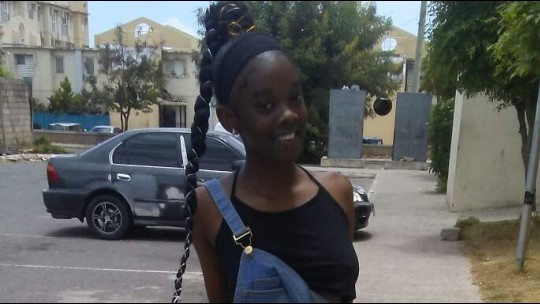
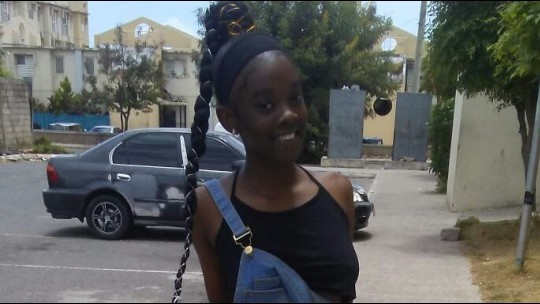
How do you console the mother of Yetanya Francis, a young woman who was raped and murdered and whose lifeless body was discovered on August 24, 2018, while out on an errand for her mother?
Her family held her in high regard, her classmates held her in high regard, and her promising future was abruptly cut short. Unfortunately, other young people’s lives will be cut short before they have a chance to succeed.
These young people, including several who are still missing and unsolved, will not be able to realize their hopes and aspirations or contribute to society as a result of violence. They must not be forgotten, and they must be emphasized regularly to keep them alive and to continue to seek accountability from both the community and law enforcement to resolve these cases.
Who will be the next sexual predator victim, whether overlooked in the justice system, released from a facility, suffering from schizophrenia or bipolar disease and in need of treatment, or simply a thug wreaking havoc on the streets who someone recognizes but chooses to remain silent?
This young lady’s untimely death, in particular, is one of many for which other parents are still looking for answers, and it is not unique to Jamaica or other troubled islands with beautiful shores.
Now, social media has spread these stories about victims and elected officials’ responses globally, and more will come.
Almost no one, especially those in charge, will admit that these cherished moments of freedom and these troubling headlines have left many students scared and dealing with the mental trauma of losing a classmate or friend. Parents are also scared to send their kids to school or a nearby store.
After these protests, it seems that things will return to normal until the next one.
Yes, she was not alone!
There has been a slew of new reports. Murders, kidnappings, assaults, rapes, robberies, and others are forgotten because of their sexual orientation and lack of a voice; they, too, are victims with families who could benefit from a hug or an update on the status of their case. And the murder and exploitation of young girls, or anyone else, in any location, is not the result of a bad day.
Sure, violence is all around us, but the initial response to addressing these violent crimes often involves blaming others, expressing hopelessness, and deflecting attention by pointing to nations with similar issues, which serves as a form of minimization.
However, Aliesha Brown, a 13-year-old girl who went missing and was eventually found dead on October 2, 2014, serves as a reminder, as do countless other horrible acts committed since her murder.

A mob brutally murdered Dwayne Jones, a 16-year-old transgender adolescent, for attending a street party while dressed as a woman. How many other Dwaynes are living in fear for who they are?
Many parents face discrimination as a result of having LGBT children, and they are more concerned about social stigma and antagonism today than about their children’s future.
The hostility has resulted in safety concerns and a sense of guilt, which often leads to isolation, homelessness, abuse, a lack of resources and access to support groups, as well as insufficient medical care and even violent death by some who see members of the LGBTQ community as a moral sin resulting from a lack of tolerance and barbaric ideology.
Imagine these parents having to show up on a mountainside, a side street in a valley, or in front of a stream or a mortuary to locate their child’s lifeless body, with little or no victim’s assistance to help them cope.
The loss of a sense of normalcy is inevitable.
What appears normal in these natural events and pictures is not necessarily healthy because there are pockets of danger in some locations that, like snake poison despite its attractive new skin, might strike at any time.

Crime is causing the lovely breeze that caresses your cheek, along with the beam of sunshine and grin that greet you with a sense of peace, to disappear; as a result, many iconic and cultural hang-out shops, restaurants, and bars are now only open in the morning and close at dusk unless they are located in tourist-protected zones.
Several experts noted that combating crime necessitates a wide range of early detection, accountability, resources, and community engagement, but they also acknowledged that the country faces serious crime issues and that changing the criminal behavior of a few mentally ill individuals requires accepting that the country faces serious crime issues.
Indeed, I’m not suggesting that the entire country has become isolated and plagued by violence. Many people continue to arrive for weddings and enjoyable vacations. Others with deep roots pay visits to their grandmothers, uncles, aunts, and other relatives, but how long will these visits be frequent if the headlines continue?
I like to stop by, pick apples and mangos from Grandma’s fruit trees, or wait for Ras’s steamed fish supper to arrive in his handcrafted dish, which I can’t remember what color it was when I first came and fell in love with his business and other local iconic places off the beaten path.

The delicate selective empathy for justice—while victims’ tears continue
While violence is prevalent in many areas, these criminals (thugs) kidnap students, leaving families waiting for days for their children to return. According to local accounts, they murder intellectuals, sports figures, teenagers, seniors, entrepreneurs, company owners, and women in numerous domestic violence cases.
Vigilante justice emerges frequently, often as a result of frustration, lack of faith in the system, and total disregard for the rule of law. Furthermore, it may endanger the lives of innocent people while ignoring the underlying cause of the problem.
Such visits to a victim’s home by the Prime Minister or other public officials in response to these heinous atrocities do not alleviate the pain. Although their intentions may be good, it often becomes merely a photo opportunity when the same issues are addressed with identical talking points and without any resources.
No one wins when a community goes silent if they have information. This situation makes officers’ work more difficult, erodes re-victimization and a sense of safety, breeds hopelessness due to a lack of socioeconomic upward mobility, and causes hard-working people to become targets.
Unfortunately, no amount of consolation, a tight hug, or passionate remarks from other leaders will be enough to change this pattern of criminality and family suffering. There may be proposed new strategies, but that alone will not be able to diminish this ongoing cruel act.
The victims’ tears continue, with a greater impact.
The situation may worsen if leaders fail to confront the truth. While many blame previous administrations on both sides, gangs are rapidly expanding and will soon surpass law enforcement personnel, who may already be overburdened and inadequately equipped to tackle these criminal issues.

Each time a serial killer uses a weapon, the potential for their next mission to occur increases if law enforcement does not apprehend and prosecute them quickly.
In these troubled times, I wondered if religious institutions, advocates, counselors, and teachers who are respected in these communities can no longer inspire, calm fear, and bring hope and peace.
Today, it seems that the individual with the most effective weapon resolves all disputes.
There are and will be many more victims’ stories, so when does the next round of photo-ops, the next button stop, and the next round of building an appeal to action begin?
How did Jamaica, as well as a few other unstable countries, end up here?
Yes! I understand that criminality, poverty, inequality, and socioeconomic problems are all too common.
I would argue that poverty, economic stagnation, reported corruption, the growing gap between rich and poor, and high unemployment rates have contributed to some of this social decay.
Many murder cases remain unsolved because of insufficient technical skills and resources, the police force’s inability to cover these densely populated areas, and the fear of becoming a victim that prevents people from speaking out due to inadequate support or protection.
The education system, which is critical to preparing the next generation of leaders and rebuilding the middle class, appears to be deteriorating.
Today, many young people have dropped out of school and are struggling with addiction and mental health issues, and those with higher education have few opportunities for advancement because they are burdened by student loans and empty promises.

It seems that political strife results from a systematic problem that is consistently ignored without accountability. Many communities appear to have emotionally distanced themselves and developed an immunity to the constant news of violence.
The debate is a battle to determine who is responsible for the perception of reality. Unfortunately, these fears and outrages often disappear until the next election cycle.
Moreover, many local officials, seemingly forgetting their past failures, are simply preparing for the upcoming election cycle.
They have not addressed the root causes of these issues, and it seems their only goal is to keep power and blame each other.

If, as reported, some of those sworn to serve and protect are now assigned case numbers as a result of their criminal activities, trust is further eroded. And in a system where police mistrust dates back to colonial times, it is extremely difficult for some to uphold the rule of law and speak out.
Unfortunately, some of these local leaders may also be living in fear and choosing to remain silent in the face of ongoing violence. The deafening silence has contributed to a sense of normalcy for some.
How many times have we heard the same story when leaders resort to “we’ll explore for solutions” and local concerns’ voices appear to be drowned out?
How can the next generation aspire and hope for a better future when they see their peers’ lives cut short with a detrimental outcome?
According to local reports, the nation has developed crime control measures to combat this criminal malignancy, but many people believe these measures have failed to restrict easy access to high-capacity firearms, curb gangs, address the root of these problems, and other criminal activities.
These occurrences necessitated an adjustment of perspective.

The pristine white sand and turquoise water, complemented by the sun shining through the trees and a cool breeze, evoke a sensation of shedding one’s skin like a snake and temporarily forgetting one’s troubles, akin to a spa experience. However, it is crucial to remain vigilant and cautious.
When these crimes occur, there are many appeals for change on social media, but what is troubling is that these headlines dissipate quickly. However, if many meeting places have become more isolated and indoors due to security concerns, and if vital stores close by sunset, who are the real winners, not just for students?
Something has to change, and like Mom once said, “Pure talk never leads to anything done.”
Many of our parents may be unaware that this beautiful place has more adverse headlines today than positive ones, but the sun will rise again, and you must continue to speak up.
Today, tourism serves as Jamaica’s primary economic engine, yet the young individuals I have encountered are not placing their future solely in the hands of tourists.
They are tired of photo opportunities and want tangible options, leadership that has a vested interest in their future, knowledge of the competitive world to lead effectively, and the ability to contribute to the next generation instead of merely pursuing personal gains within a gated community.
You can turn things around with the right tools.
Despite the atrocities that have attempted to take over these communities, Jamaica has maintained its strong perspective, morals, pride, vitality, and persistence. Many communities, albeit fewer in number, will enjoy themselves.

Especially for the people, they must hold their leader accountable, not just for temporary fixes. Tthey must unleash their drive, even in a raucous manner, to restore their economic security and confidence, as only individuals can define what is normal or change
The concepts of Jamaica’s “cool running vibes” and its “local smile” continue to exist. The neighborhood stores are still welcoming to all, where you can fix a flat tire or eat at a restaurant squeezed against the mountain serving real Jamaican cuisine.
I would have gladly taken these youngsters’ place so they could live after seeing their families’ heartbreaks, which linger.
Part II:
I have decided to highlight a few other cases.
Here are a few stories from expats who encountered similar situations, which you can explore in my other opinion piece, “Can Expats Find Peace on These Shores?”
This piece also aims to challenge the widespread inclination to minimize our situation, with many individuals quickly responding, “Oh, it’s happening over there too!”
While that is true, many have deep ties here too, tangled up like a colorful knit sweater that just refuses to unravel.
Delroy Walker’s death in May 2018 is yet another reminder of the danger that most people ignore or deny. He was stabbed and murdered in Jamaica while on vacation, where he had returned to give back to the youth.
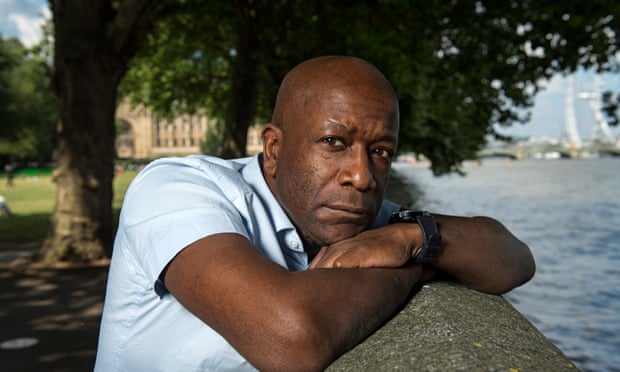
He has advocated for youths by giving back and making use of his skills and resources through his charitable organization. He was well-liked by everyone who met him, and if you spend a few minutes with him, you’ll wonder why: his humanity, love for community, and upward mobility for the less fortunate, always looking to help others.
This untimely death has robbed the youth of a chance at success, particularly for those who yearn for a brighter future that is becoming increasingly elusive on these shores.
Although his assassins may have been apprehended at the time of writing, the criminal enterprises that are silently destroying these once-safe communities pose a significant threat to a normal life.
Delroy’s death has stymied many charitable barrels of goods destined for the island to help others, which are now being reconsidered or listed on eBay and Amazon and are being held in a basement or storage center due to safety concerns.
He primarily focused on navigating the bureaucratic customs system before his death. If you have a connection and are willing to pay extra, your charitable goods can flow freely out of what should be a public function. However, I will move on from this problematic issue, which will worsen if local customs continue to view incoming charitable goods intended to make a difference as a revenue source.
When young people have no hope or lack the resources to pursue their dreams, crime becomes more appealing.
Karen Cleary, 44, had gone missing on Tuesday, November 25th, while working on her dream home in her birth country. According to local news, her body was discovered in a shallow grave on her property in Boscobel, St Mary’s Parish.

If the system turns a blind eye to this criminal cancer, it will only fester and wreak havoc on the nation’s fabric, leaving even those returning residents—who dedicated their lives to hard work and dreamt of a peaceful retirement—wondering what went wrong.
The reality frequently oscillates between a serene atmosphere and sudden storms that take anything not grounded in their path, while on one side, like many other troubled islands, both visitors and returning residents receive a warm welcome.
According to the Jamaica Observer, more than 1,600 people were killed due to violence in 2017.
Other reports indicate that since the year 2000, over 200 British, American, and Canadian expatriates have been murdered, with more than 500 killed since the beginning of 2018.
The Nassau Guardian reported the gunning down of Carlis Blatch, the assistant to the governor-general of the Bahamas, while he was waiting for his son from school.
When honest, hardworking, and successful people who want to help are now viewed as a threat, the region’s losses and remittances cannot solve these systemic problems.
Many people believe that violent gangs and the ongoing lottery scam in major cities are still a problem and that criminals see expatriates as easy targets.
Today, I wonder what life would be like for these three young people—14-year-old Yetanya Francis, 13-year-old Aliesha Brown, and 16-year-old Dwayne Jones—as well as many other missing individuals.
I often wish I could have changed places because I had the opportunity to finish college, have a decent life, and achieve the goals I’d had since I was a child.
Stay safe!
 © `OURSHORES- BLUE SCHOLARSHIP FUND & CHARITY ORGANIZATION`- Tel 1888-982-9938
One thought on “In Jamaica, a 14-year-old girl went missing, murdered, and her body burned, indicating a disturbing new normal in crime.’”